Remake
The Problem

Our waste isn't disappearing. It's burning, flooding and coming back to us.

Across The Gambia, and especially in Greater Banjul, waste that is not collected is dumped, burned or washed into drains, rivers and the sea. Families, the economy and nature all pay the price.
A Growing Pressure

A city growing faster than its waste system.

Banjul, Kanifing and the West Coast Region are home to most of the country's people, and the population keeps growing. Every household, market, hotel and business produces waste every day.

Collection does not reach every street, and what is collected is mostly taken, unsorted, to open dumpsites such as Bakoteh. The rest is left on roadsides and empty plots, pushed into drains, or burned.

The result is a problem people see, smell and breathe every day. And the materials in that waste could have been worth something.
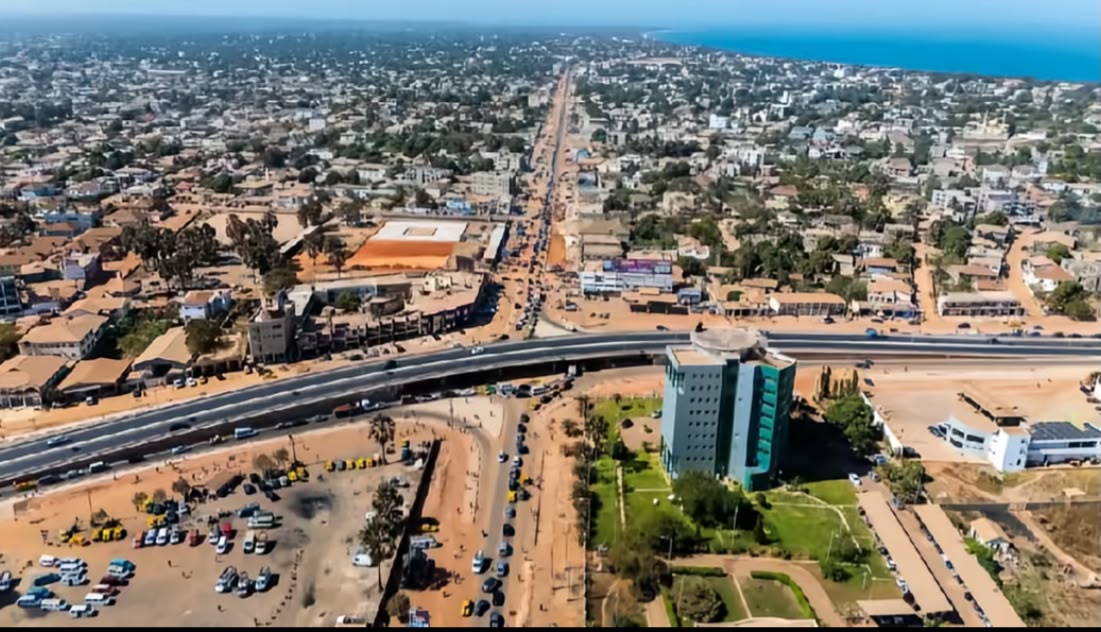
Aerial view of the Greater Banjul Area spreading towards the Atlantic coast
What Waste Is Costing Us

Twelve ways unmanaged waste hurts The Gambia.

From the air we breathe to the fish we eat, the effects reach every part of daily life.

01

Open burning, every day

With few collection options, many households, compounds and dumpsites burn mixed rubbish in the open. Burning plastics, tyres and cables releases toxic smoke into the air that families breathe.
02

Bakoteh: a dumpsite inside a town

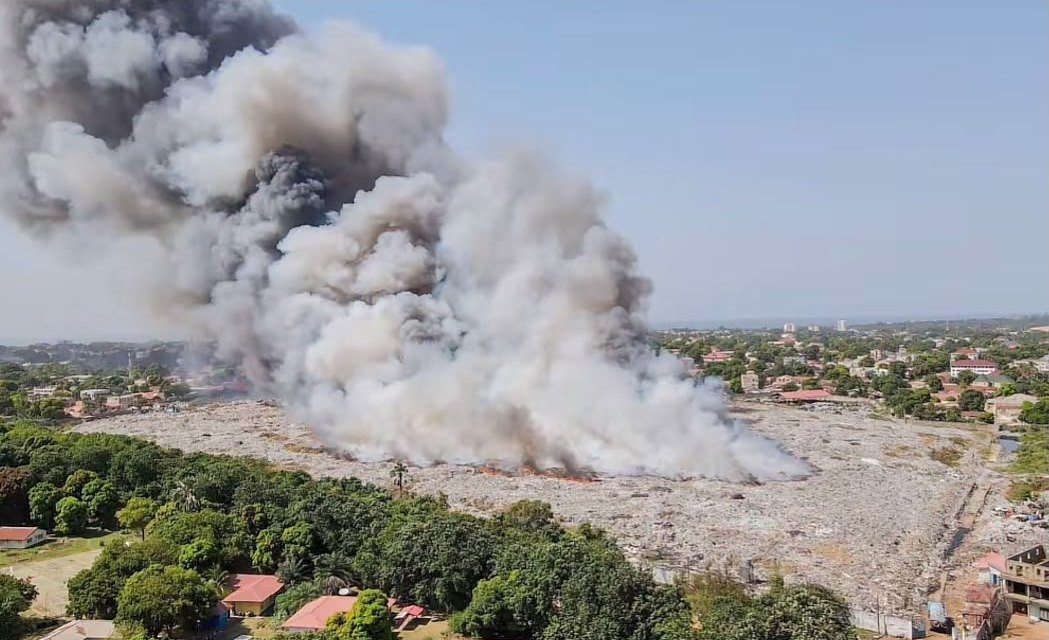
The Bakoteh dumpsite in Kanifing has received the area's waste for decades. It has no lining and no gas control, and fires are common. Smoke drifts over Bakoteh, Manjai Kunda, Kotu and nearby schools and homes.
03

Blocked drains and flooding

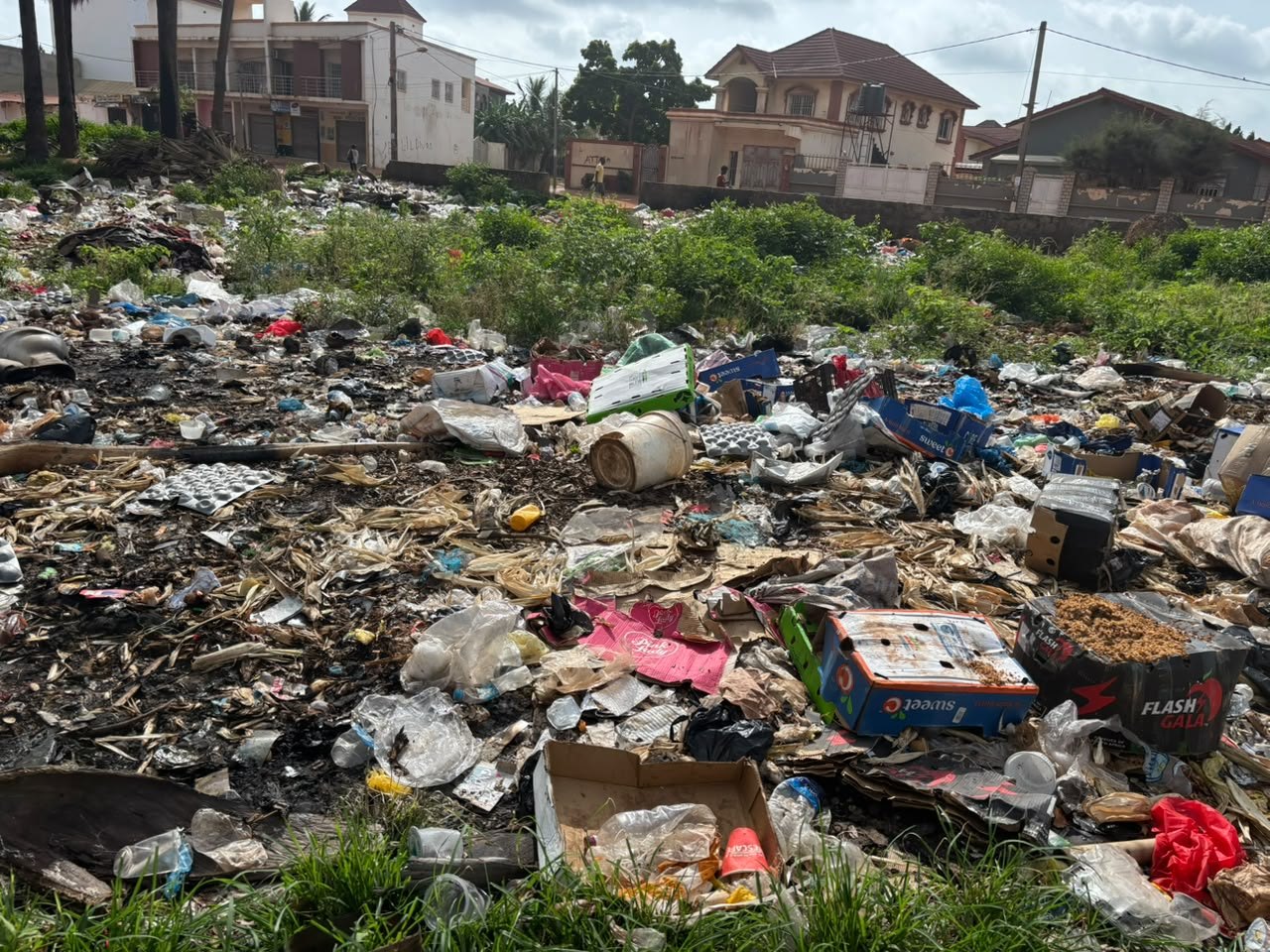
Plastic bags, bottles and sachets block gutters and drainage channels. When the rainy season arrives (roughly June to October), water has nowhere to go, and streets and homes across Banjul and Kanifing flood.
04

Mosquitoes, flies and disease

Water collecting in discarded tyres, tins and containers breeds mosquitoes that spread malaria. Rotting waste attracts flies and rodents and raises the risk of diarrhoeal disease, especially for children.
05

Dirty streets and public spaces

Rubbish piles up at markets, lorry parks, roadsides and empty plots: around Serrekunda Market, Albert Market and busy junctions. Unmanaged waste makes neighbourhoods less healthy, less safe and less proud.
06

Plastic in rivers, mangroves and the sea

Waste washes into the River Gambia, the Tanbi Wetlands mangroves around Banjul and the Atlantic coast. It harms fish nurseries, oysters and the fishing families who depend on them, and breaks down into microplastics.
07

Polluted soil and groundwater

Liquid from rotting waste, called leachate, soaks into the sandy soil under dumpsites and illegal tips. In areas where many people still draw water from shallow wells, that is a direct risk to drinking water.
08

Damage to tourism and the economy

Tourism matters to The Gambia's economy. Litter on beaches and roads at Kololi, Kotu, Cape Point and Banjul damages the country's image and the jobs that depend on visitors.
09

Climate emissions

Food and organic waste rotting in open dumps produces methane, a powerful greenhouse gas. Open burning adds black carbon (soot). Both speed up the climate change that already threatens Gambian coasts and farms.
10

Unsafe work for waste pickers

Informal waste pickers, sometimes including children, sort through dumps by hand to recover metal and plastic. They work without gloves, masks or boots, surrounded by smoke, sharp objects and medical waste.
11

Value thrown away

Plastics, metals, cardboard, glass and organics that could become jobs, compost, products or energy are buried or burned instead. The country keeps importing materials it is already throwing away.
12

Rules without a system behind them

The Gambia banned plastic bags in 2015, but enforcement is hard and affordable alternatives are limited. Without separation, collection and recycling routes, good rules struggle to change what happens on the street.
Thick smoke rising from a fire at a large open dumpsite, with homes nearby
Burning, Up Close

What's in the smoke?

Burning waste doesn't make it disappear. It turns it into pollution that reaches far beyond the fire.

  • 01

    Fine particles (PM2.5)

    Tiny particles that go deep into the lungs, linked to asthma, bronchitis and heart disease.

  • 02

    Dioxins and furans

    Toxic chemicals from burning plastic that build up in the body and in food such as eggs and fish.

  • 03

    Black carbon

    Soot that harms health and warms the climate.

  • 04

    Heavy metals

    Lead and other metals from burnt cables, batteries and electronics that settle on soil and crops.

Why It Happens

The root causes.

The problem is not that people don't care. It is that the system around them is incomplete.

  1. 01Irregular collection that does not reach every street or compound
  2. 02No separation of waste at home, in markets or at businesses
  3. 03Too few recycling, composting and recovery routes for collected materials
  4. 04Limited trucks, equipment and funding for councils
  5. 05Rapid growth of Greater Banjul and the West Coast Region
  6. 06Night-time illegal dumping on empty plots, beaches and wetlands
  7. 07Low awareness of the health risks of burning
  8. 08Little data on how much waste is produced and where it ends up
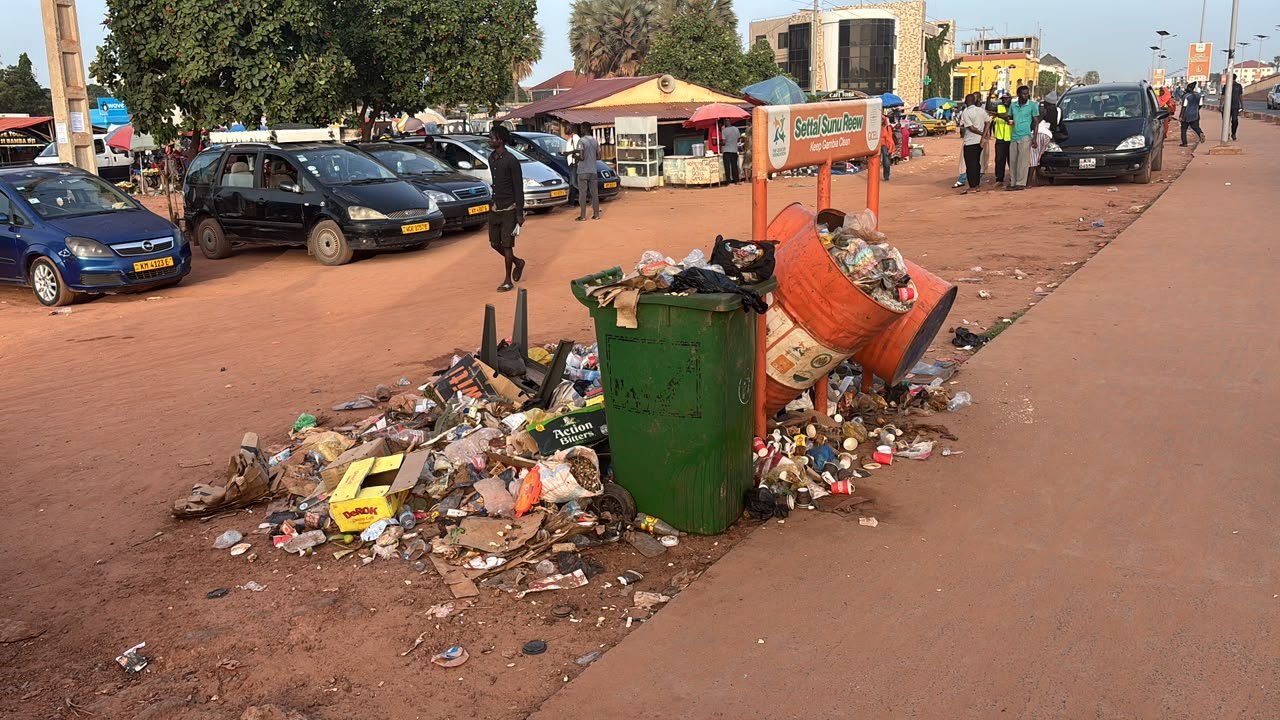
Rubbish spilling from overflowing bins beside a 'Keep Gambia Clean' sign on a busy street
Who Pays the Price
  • Families living near dumpsites
  • Children and older people
  • Waste pickers
  • Fishing communities
  • Farmers and gardeners
  • Market traders
  • Tourism workers

The people with the least choice usually live closest to the smoke, the floods and the dumps.
Get Started

The problem is real. So are the possibilities.

Better collection, separation and recovery can turn what harms us into something of value.